
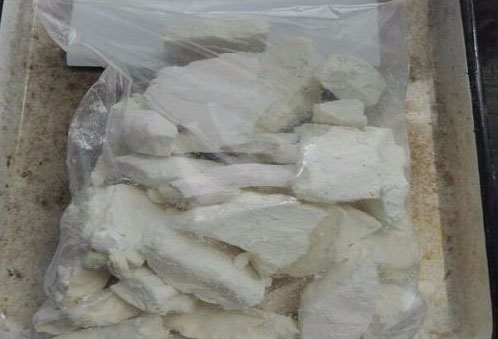
N-Ethyl Hexylone is a synthetic cathinone stimulant that emerged in the 2020s as part of the rapidly evolving novel psychoactive substances (NPS) market, with documented cases of severe toxicity and limited human safety data. Often misrepresented as a research chemical or sold under the broader umbrella of bath salts effects, this substance represents a significant public health concern due to its unpredictable potency and potential for harm. Understanding n-ethyl hexylone is crucial for anyone who might encounter it, whether out of curiosity, concern for a loved one, or professional necessity.
Table of Contents
- What is N-Ethyl Hexylone?
- Chemistry and Pharmacology
- Reported Effects and Duration
- Dangers and Health Risks
- Recognizing Overdose
- Legal Status
- Harm Reduction Strategies
- Frequently Asked Questions
N-Ethyl Hexylone: Key Facts at a Glance
| Attribute | Description |
|---|---|
| Chemical Class | Synthetic Cathinone (Stimulant RC) |
| Common Forms | White/off-white powder or crystals |
| Primary Mechanism | Monoamine (Dopamine, Norepinephrine) Releaser |
| Key Risks | Cardiovascular crisis, severe agitation, psychosis, n-ethyl hexylone overdose |
| Detection Window | Several days in specialized drug testing n-ethyl hexylone panels |
What is N-Ethyl Hexylone and What Is It Used For?
To understand n-ethyl hexylone, one must first understand its lineage. It is a synthetic molecule belonging to the cathinone class, which are analogs of the natural stimulant found in the khat plant. More specifically, it is a derivative of the earlier novel psychoactive substance known as hexylone drug (also called bk-MBDB), with an added N-ethyl group.
In the context of the online market, it is presented as a research chemical. This term technically implies a substance for scientific investigation in a controlled laboratory setting, not for human consumption. However, as the European Monitoring Centre for Drugs and Drug Addiction (EMCDDA) consistently reports, this label is co-opted to market untested and often dangerous substances for recreational use. There are no approved medical or therapeutic uses for n-ethyl hexylone.
Chemistry and How N-Ethyl Hexylone Works on the Brain
The powerful and dangerous effects of n-ethyl hexylone stem from its action on the brain’s crucial communication systems. It primarily functions as a monoamine releasing agent, with a particular potency for dopamine and norepinephrine.
- Dopamine Release: This is the engine behind the reported euphoria stimulant effects. By forcing a flood of dopamine in the brain’s reward pathways, it creates intense feelings of pleasure, confidence, and energy. This mechanism is also the primary driver of compulsive redosing and addiction.
- Norepinephrine Release: This neurotransmitter is responsible for the “fight or flight” response. Its release leads to the classic stimulant physical effects: increased heart rate, elevated blood pressure, dilated pupils, and heightened alertness.
Unlike some other cathinones, n-ethyl hexylone appears to have a less pronounced effect on serotonin, which may influence its effect profile, making it feel more like a pure, anxious stimulant RC rather than an empathogen like MDMA. A study published in the journal Clinical Toxicology (2023) analyzing case reports of n-ethyl hexylone exposure noted symptoms consistent with potent sympathomimetic toxicity, supporting its strong impact on norepinephrine and dopamine systems.
Reported Effects and Duration of N-Ethyl Hexylone
All information on the subjective effects of n-ethyl hexylone comes from uncontrolled, anecdotal user reports. These are highly unreliable and should not be interpreted as a safe or predictable experience.
Desired (Short-Term) Effects
Users seeking a euphoria stimulant experience may report:
- Intense euphoria and mood elevation
- Increased energy, alertness, and motivation
- Enhanced focus and talkativeness
- Suppressed appetite
Common Adverse Effects
The negative effects are often pronounced and can appear even at low doses:
- Anxiety, tension, and paranoia
- Jaw clenching and teeth grinding
- Headaches and dizziness
- Nausea
- Excessive sweating and overheating
- Insomnia and inability to sleep as the drug wears off
How Long Do the Effects Last?
The duration is dose and route-dependent. For common oral or insufflated (snorted) use, the timeline is generally:
- Onset: 15-30 minutes (insufflated), 30-60 minutes (oral)
- Peak: 1-3 hours after onset
- Total Duration: 4-8 hours
- Comedown/After-Effects: Can include fatigue, irritability, depression, and cravings for 24 hours or more.
The long duration increases the risk of physical strain, dehydration, and sleep deprivation.
Significant Dangers and Health Risks
The use of n-ethyl hexylone is associated with severe and potentially life-threatening risks. The lack of quality control means potency can vary dramatically between batches, turning a seemingly familiar dose into a medical emergency.
| Risk Category | Specific Complications |
|---|---|
| Cardiovascular | Severe hypertension (high blood pressure), tachycardia (rapid heart rate), chest pain, cardiac arrhythmias, and acute heart failure. |
| Neurological/Psychiatric | This substance can cause psychosis or paranoia, featuring hallucinations, delusions, and extreme agitation. Seizures are also a documented risk. |
| Metabolic | Hyperthermia (dangerously high body temperature), which can lead to muscle breakdown (rhabdomyolysis) and kidney failure. |
| Addiction Potential | The powerful dopamine release creates a high risk for developing tolerance, dependence, and a debilitating addiction cycle. |
Tolerance and Addiction
Yes, you can develop a tolerance or addiction to n-ethyl hexylone. Tolerance means you need more of the drug to achieve the same effect, pushing users into higher and more dangerous dose ranges. Dependence occurs when the brain adapts to the constant presence of the drug, and withdrawal symptoms appear when use is reduced or stopped. Withdrawal from synthetic cathinones can be severe, featuring profound depression, lethargy, anhedonia (inability to feel pleasure), and intense drug cravings.
Recognizing and Responding to an Overdose
An n-ethyl hexylone overdose is a medical emergency. Knowing the signs can save a life.
What does a N-Ethyl Hexylone overdose look like? Key symptoms include:
- Extreme agitation, panic, or violent behavior
- Confusion and disorientation
- Hallucinations or paranoid psychosis
- Chest pain, palpitations, or difficulty breathing
- Severe headache or blurred vision
- Very high body temperature (feeling hot to the touch)
- Muscle rigidity or tremors
- Seizures or loss of consciousness
What should I do?
- Call Emergency Services Immediately (911 in the US). Do not hesitate.
- Stay with the person and try to keep them calm.
- Provide the paramedics with as much information as possible: what was taken, how much, when, and any other substances involved.
- If the person is experiencing hyperthermia, move them to a cool place and use cool cloths on the skin, but do not immerse them in ice water.
Legal Status of N-Ethyl Hexylone
The legality of novel psychoactive substances is a complex and shifting landscape.
Is N-Ethyl Hexylone legal in the United States? As of 2025, n-ethyl hexylone is not explicitly scheduled in the Controlled Substances Act. However, it is highly likely to be considered an illegal substance under the Federal Analog Act. This law allows any chemical “substantially similar” to a Schedule I or II controlled substance to be treated as such if it is intended for human consumption. Given its close structural and pharmacological similarity to Schedule I cathinones like MDPV, federal prosecution is a real possibility.
Many states have also enacted their own blanket bans on synthetic cathinones, making possession, sale, or manufacture a state-level crime. The constant emergence of new analogs like n-ethyl hexylone creates a cat-and-mouse game with legislators, but the legal risk for users remains extremely high.
Essential Harm Reduction Practices
The only way to eliminate risk is to avoid use. For those who may be exposed or are seeking information for others, these harm reduction drugs principles are critical. This is not encouragement but a pragmatic effort to save lives.
What are the best harm reduction practices for synthetic stimulants?
- Abstinence is Safest: The most effective harm reduction is not to use.
- Never Use Alone: Have a trusted, sober person present who can seek help.
- Start with a Minute Dose (Allergy Test): Due to unknown potency, a tiny dose (1-2 mg) can help gauge strength and reaction.
- Avoid Polydrug Use: Never mix n-ethyl hexylone with other stimulants, alcohol, or opioids. This dramatically increases the risk of overdose and adverse reactions.
- Stay Hydrated and Cool: Sip water and electrolyte drinks. Take breaks from dancing or physical activity to prevent hyperthermia.
- Use Reagent Test Kits: While not foolproof, these can help identify the presence of expected substances and some dangerous adulterants.
- Plan for the Comedown: Have a safe, comfortable place to rest. The depression and fatigue can be severe.
Helping Someone in Crisis
What is the recommended way to help someone experiencing a bad reaction to a research chemical?
- Stay Calm: Your calmness can help de-escalate their panic.
- Provide Reassurance: Speak in a low, calm voice. Let them know they are safe and you are there to help.
- Create a Safe Space: Reduce sensory input (dim lights, reduce noise).
- Do Not Restrain: Physical restraint can increase agitation and risk of injury. Guide them gently if they need to move.
- Seek Medical Help: If their condition is severe (chest pain, high fever, seizures, extreme psychosis), call for an ambulance immediately.
Frequently Asked Questions (FAQs)
How is N-Ethyl Hexylone different from other synthetic cathinones like MDPV or alpha-PVP?
While all are potent synthetic cathinones, they differ in their exact chemical structure, which alters their potency and effect profile. N-Ethyl Hexylone is generally considered to be less potent than MDPV or alpha-PVP (“Flakka”), but it still carries all the same significant risks of agitation, cardiovascular damage, and psychosis. Its effects are often described as less euphoric and more purely anxiogenic and stimulating.
Are the effects of N-Ethyl Hexylone more stimulant or euphoric?
User reports suggest the effects lean heavily towards the stimulant side, with a pronounced body load of anxiety and tension. While initial euphoria may be reported, it is often short-lived and overshadowed by negative physical and psychological effects.
What is the difference between N-Ethyl Hexylone and Hexylone?
Hexylone (bk-MBDB) is the parent compound. N-Ethyl Hexylone is a derivative where a hydrogen atom on the nitrogen group is replaced by an ethyl group. This small change can significantly alter the drug’s pharmacokinetics, potentially making it more potent or longer-lasting.
How long can N-Ethyl Hexylone be detected in a drug test?
Standard drug tests do not screen for n-ethyl hexylone. Specialized laboratory tests (like LC-MS/MS) are required. In such tests, it and its metabolites could potentially be detected in urine for 2-4 days after use, though this window can vary based on dose, metabolism, and frequency of use.
Can you develop a tolerance or addiction to N-Ethyl Hexylone?
Yes, absolutely. As a potent dopamine releaser, n-ethyl hexylone has a high potential for causing rapid tolerance, compelling psychological addiction, and a physically uncomfortable withdrawal syndrome.
Conclusion: Knowledge as the First Line of Defense
N-Ethyl Hexylone is not a harmless research chemical but a potent and dangerous synthetic cathinone with a high potential for causing serious harm. Its unpredictable nature, significant risk of overdose, and capacity to induce psychosis make it a substance best avoided entirely.
If you or someone you know is using substances like n-ethyl hexylone, reaching out for support is a critical step. Contact a healthcare provider, a local mental health and addiction service, or a national helpline like SAMHSA’s National Helpline (1-800-662-4357) for confidential, free help.
Disclaimer: This article is for informational and harm reduction purposes only. It does not constitute medical or legal advice. The use of unregulated novel psychoactive substances is extremely dangerous and illegal in many jurisdictions. Always consult with a licensed medical professional for any health concerns or before making any decisions related to substance use.